
About Orientdig Spreadsheet
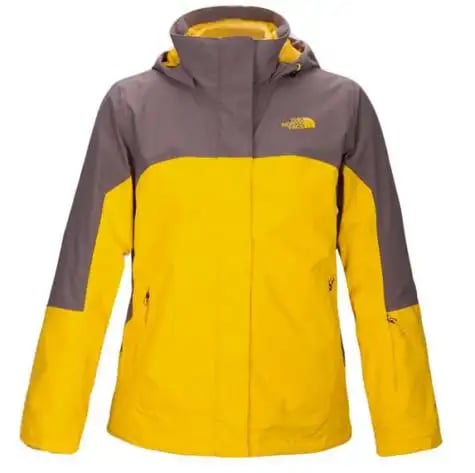
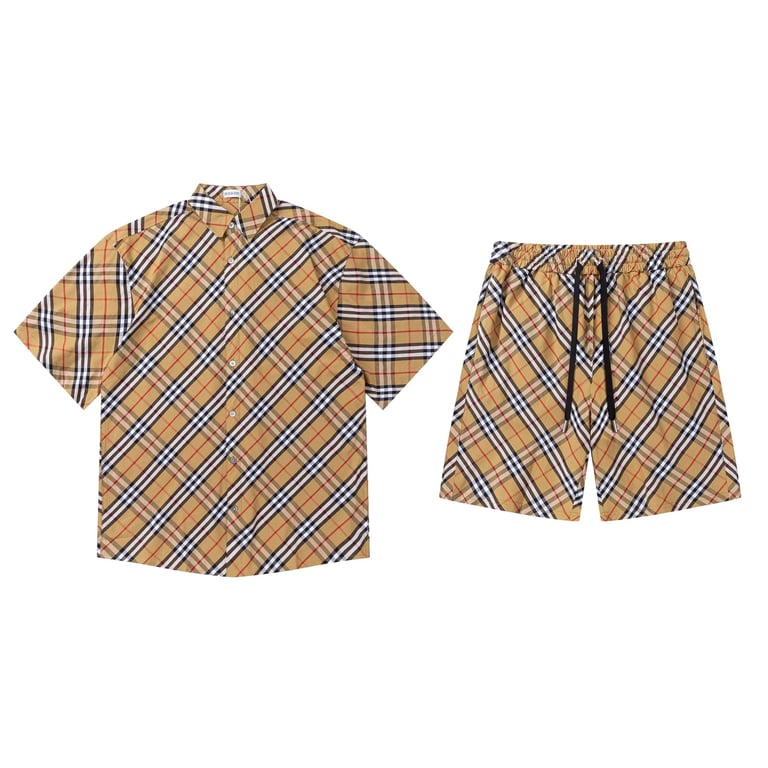
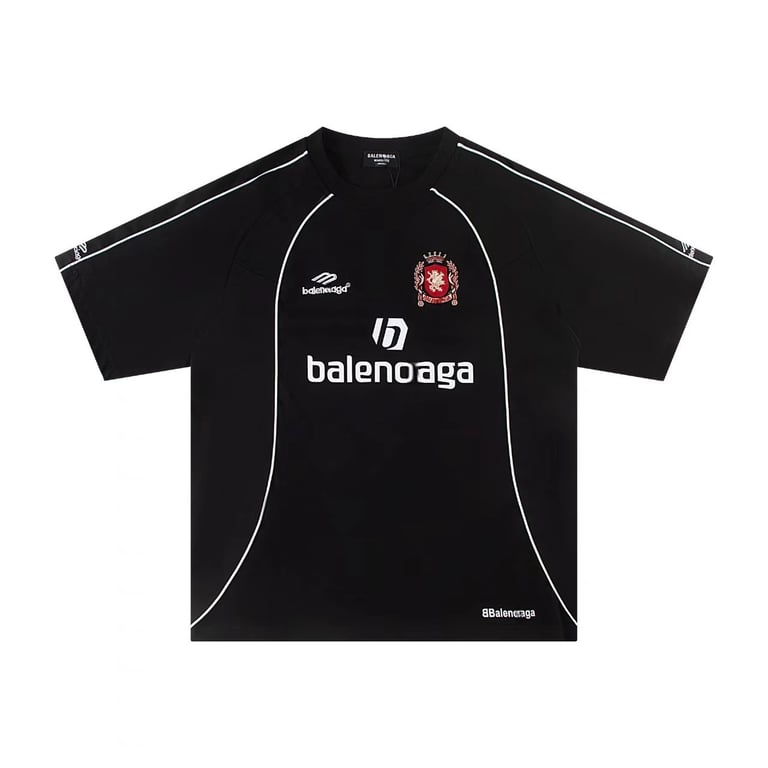
Click the images below to browse!













🌍 Reconstructing E-commerce as a Networked Information System
Orientdig is built around a fundamentally different idea than conventional shopping platforms: global commerce is not a catalog of products, but a continuously updating information network.
Instead of focusing on “what to buy,” Orientdig focuses on how information about products is generated, transmitted, and reshaped across digital environments.
At the center of this system is the Orientdig spreadsheet, which functions as a structural interface for interpreting fragmented market data.
🧬 System Philosophy: Commerce as an Information Network
In most digital environments, products are treated as independent entries. Orientdig rejects this assumption.
Within Orientdig’s framework:
Products are nodes in a distributed network
Listings are temporary reflections of deeper data states
Market activity is treated as information transmission
Visibility is considered a function of system behavior
The Orientdig spreadsheet is used to organize these relationships into readable structures that reflect how commerce behaves as a system.
🧩 What Orientdig Actually Does
Orientdig does not act as a marketplace, recommendation engine, or search tool. Instead, it operates as a structural interpretation layer.
Its primary function is to translate chaotic commerce data into structured forms that can be analyzed through the Orientdig spreadsheet.
This includes:
Mapping how product information spreads across platforms
Identifying duplication patterns in global listings
Detecting inconsistencies in product representation
Organizing fragmented data into coherent structures
The goal is not to present products, but to reveal the architecture behind them.
🔗 The Role of the Orientdig Spreadsheet
The Orientdig spreadsheet serves as the operational core of the system. It is not a static dataset, but a structured environment where market data is continuously reorganized.
It enables:
Transformation of unstructured listings into mapped entities
Cross-platform alignment of product identities
Visualization of informational overlap in global markets
Identification of structural redundancies in commerce data
Rather than acting as a shopping interface, the Orientdig spreadsheet functions as a data interpretation framework.
🧠 Why Orientdig Focuses on Structure Instead of Products
Traditional e-commerce systems are optimized for visibility and conversion. Orientdig is designed for understanding systemic behavior.
This shift in focus allows users to:
Analyze how product information is constructed
Observe how digital markets replicate data
Understand how visibility is distributed across systems
Recognize structural inefficiencies in commerce ecosystems
The Orientdig spreadsheet is the tool that makes this structural analysis possible.
🏗️ System Design Approach
Orientdig is built as a layered information architecture rather than a platform.
Its structure includes:
1. Data Ingestion Layer
Collects fragmented product information from multiple sources.
2. Normalization Layer
Standardizes inconsistent formats and naming structures.
3. Mapping Layer
Aligns duplicated or related product entries into unified representations.
4. Structural Output Layer
Transforms processed data into interpretable formats inside the Orientdig spreadsheet.
This architecture ensures that the system focuses on clarity of structure rather than surface-level presentation.
🌐 Use Cases of the Orientdig System
Orientdig is designed for users who need to understand complexity rather than just consume listings.
Typical use cases include:
Studying how product data spreads across platforms
Identifying inconsistencies in global product naming systems
Observing structural redundancy in marketplaces
Analyzing information distribution in commerce ecosystems
In all cases, the Orientdig spreadsheet serves as the central analytical environment.
🚀 Long-Term Direction
Orientdig is evolving toward a broader goal: building a structured model of global commerce information systems.
Future development of the Orientdig spreadsheet focuses on:
Higher-resolution data mapping
More advanced structural alignment methods
Expanded cross-platform correlation models
Deeper interpretation of commerce information flow
The intention is not to expand product coverage, but to deepen structural understanding.
🎯 Final Statement
Orientdig is not a shopping destination. It is an information structure system designed to analyze how global commerce is formed, duplicated, and distributed.
Through the Orientdig spreadsheet, fragmented market data becomes an interpretable structure, allowing users to understand not just products—but the systems that produce them.